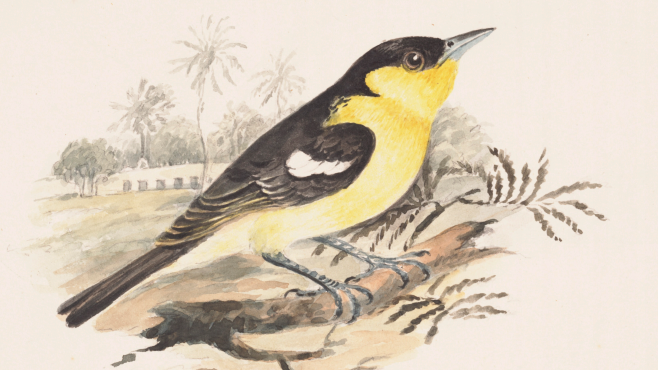
The Gwillim Project was a multi-year SSHRC funded research project based out of McGill University. The project ended in 2022, and as of January of 2025, certain features or formatting on the project website may no longer appear as intended due to the transition away from paid services. However, an archived version of the site, preserving its original content and structure, can be accessed through McGill University’s collection of Digital Collections and Exhibitions on ArchiveIt. Much of the work of the Gwillim Project can be found in the edited book, Women, Environment, and Networks of Empire (McGill-Queens University Press, 2023).
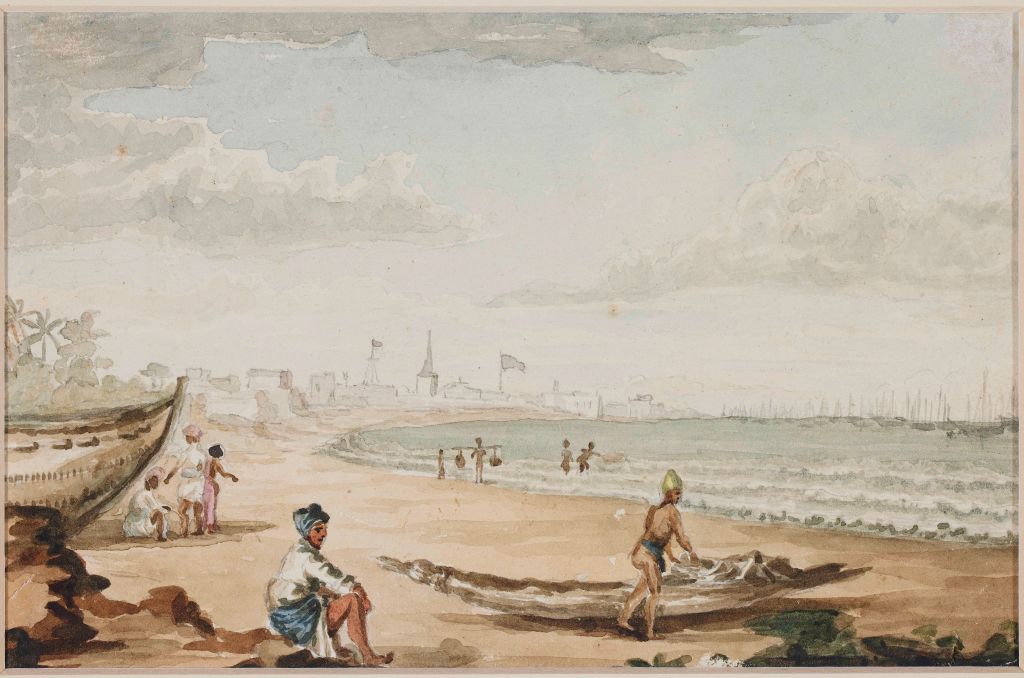
The Gwillim Project centres around the life and world of two English sisters in early nineteenth-century Madras (now Chennai), Elizabeth Gwillim and Mary Symonds.
Elizabeth and Mary’s letters home and detailed drawings, produced during their stay in Madras from 1801 to 1808, provide an immersive portrayal of Madras under East India Company rule. Their correspondence and artwork also provide insight into the landscape, climate, and ecology of the Coromandel coast, documenting birds, animals, fish, insects, flowers, and trees. The sisters illustrate the lives of India’s human inhabitants, too, and their letters challenge assumptions about women’s work, interests, and social position in both England and India at the time.
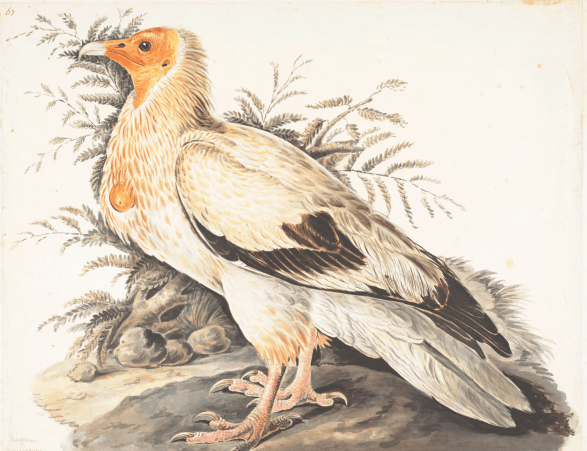
The two sisters left a visual record of the landscape and inhabitants of Madras and the surrounding region through their paintings. Their original watercolours are presently held in two collections: Elizabeth’s birds and flowers, as well as Mary’s paintings of fish, are part of the Blacker Wood Natural History Collection at McGill University, Montreal, while both sisters’ landscapes and figure studies are held at The South Asia Collection, Norwich, UK, managed by the South Asian Decorative Arts and Crafts Collection Trust (SADACC).
 The Gwillim Project